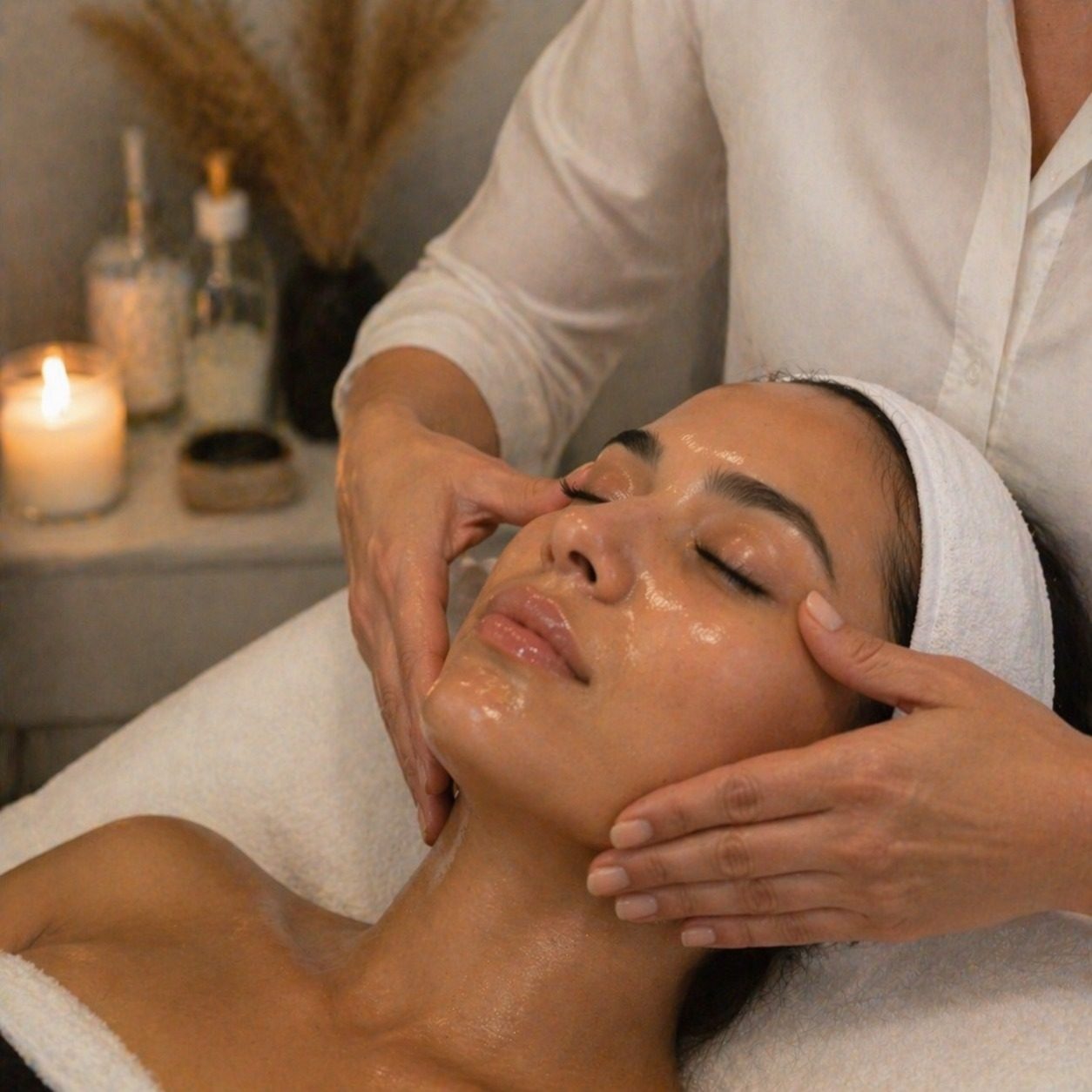
Six weeks out: start, don't finish
This is the time to try a new facial type or introduce a new skincare product, since any reaction has plenty of room to resolve before the event. It's also a reasonable point to schedule a first professional facial if you haven't had a consistent routine, so any adjustments can be made before the timeline tightens.
Four weeks out: build consistency
By this point, your routine should feel settled rather than experimental. If you're using an at-home retinoid or a new active ingredient, this is a good window to confirm it agrees with your skin before events narrow your margin for error.
This is also a sensible time for a second facial if you're doing a series, spacing sessions to allow skin to respond between visits.
Two to three weeks out: fine-tune, don't overhaul
Avoid introducing brand-new products or treatments in this window — anything that could cause irritation is now too close to the event to fully resolve. This is a good time for a facial focused on hydration and glow rather than intensive exfoliation or extractions, especially if skin has been sensitive to any earlier treatment.
One week out: settle, hydrate, protect
Dermaplaning, if you're using it, fits well in this window — a few days out gives any mild redness time to fade (see our dedicated dermaplaning timing guide for more detail). Keep sun protection consistent, since Central Florida's UV exposure can undo hydration progress quickly if skin gets sunburned right before an event.
Avoid new products, harsh exfoliants, or any treatment you haven't tried before during this final stretch.
The final 48 hours: hydration and sleep
This close to the event, focus shifts from treatments to fundamentals: consistent hydration (water intake, not just topical products), enough sleep, and avoiding excess sodium or alcohol, which can contribute to visible puffiness. A light hydrating mask the night before can help skin look refreshed without introducing any new variables.
The morning of
Stick to your normal cleanse-and-moisturize routine — this is not the time to try anything new. If makeup will be applied by someone else, arrive with clean, well-moisturized skin and let SPF go on before any makeup starts, especially for daytime or outdoor events.
What to avoid trying late
Certain choices are safer made weeks in advance rather than in the final days.
- New skincare products. Save first-time use for at least a month before the event.
- Strong exfoliating treatments. Chemical peels or intensive exfoliation need more recovery time than most people expect.
- Any treatment you haven't had before. Test how your skin responds well ahead of the date, not during the final week.
- Sun exposure without protection. A sunburn close to an event is one of the hardest things to fix quickly.
How travel factors into the timeline
If your event involves travel — arriving in Orlando for a wedding, or flying out for one elsewhere — build a rest day into the schedule after landing, since dehydration and disrupted sleep from a flight can temporarily undo weeks of progress. A hydrating, low-intervention routine in the first day or two after arrival helps skin recover its baseline before any final treatments or trials.
Common mistakes that derail an otherwise good plan
- Treating the timeline as optional once things get busy. Skipping steps under time pressure is exactly when reactive, last-minute choices creep in.
- Assuming more product means more improvement. Layering unrelated treatments close together often causes irritation rather than a better result.
- Forgetting the neck, chest, or hands. These areas are visible in most event photography but frequently left out of the routine.
- Underestimating how much sleep affects appearance. Puffiness and dullness from poor sleep are harder to correct with products than with rest.
Questions worth asking any provider along the way
Whichever provider you use across this timeline, it's reasonable to ask how they'd adjust the plan if your event date moves, what they'd recommend skipping if you're down to the final two weeks, and how they handle skin that reacts differently than expected mid-series.
How Perla fits into your timeline
A custom facial from Perla Esthetics can be scheduled at any point along this timeline — as the starting session six weeks out, a mid-point hydration boost, or a calming session closer to the date — because each visit is built around what your skin needs at that moment. For a more elevated pre-event experience, our private spa experience can combine facial care with a broader moment of relaxation at your home or hotel.
Questions People Ask
- How far out should I start planning my skin for an event?
- About six weeks gives enough time to try a new routine or facial type, address any reactions, and settle into consistency before the final stretch.
- Is it too late to do anything if my event is next week?
- It's too late for new products or intensive treatments, but a hydration-focused facial, good sleep, and diligent sun protection can still make a visible difference.
- Should I get a facial the morning of my event?
- This isn't recommended, since skin can look slightly flushed or reactive right after a treatment. A session a few days beforehand allows skin to settle first.
- What's the single most common mistake people make?
- Trying a brand-new product, treatment, or provider for the first time in the week before the event, leaving no time to recover if skin reacts.
- Does Orlando's climate affect this timeline?
- Yes — heat, humidity, and sun exposure can all affect hydration and skin sensitivity, so sun protection and lighter hydration layers matter throughout the timeline, not just the final days.